What Does an OBD2 Scanner Do?
An OBD2 scanner reads diagnostic information from your car's computer: what it does includes retrieving trouble codes, showing live sensor data, and checking emissions readiness. Access to other systems depends on the scanner, vehicle, and app.
On this page (9 sections)
- What does an OBD2 scanner do with trouble codes?
- Can a scanner show live data and freeze frame information?
- What can an OBD2 scanner do for emissions readiness?
- Can an OBD2 scanner clear codes or turn off the check engine light?
- Does an OBD2 scanner read ABS, SRS, or transmission codes?
- What can't an OBD2 scanner tell you?
- Do OBD2 scanners work on every car?
- How should you connect, use, and store a scanner?
- Which scanner should you choose for your next job?
An OBD2 scanner reads trouble codes and other diagnostic information from your car's computer. What an OBD2 scanner does beyond that depends on its features: many show live readings and emissions readiness, while some access extra vehicle systems.
It connects to the OBD2 port, usually under the dashboard. Think of it as a way to gather clues before deciding what to inspect, repair, or discuss with a mechanic.
What does an OBD2 scanner do with trouble codes?
An OBD2 scanner retrieves diagnostic trouble codes, often called DTCs, that describe conditions detected by the vehicle's computer. Standard OBD2 functions mainly concern engine and emissions information.
A code such as P0301 points to a detected misfire in cylinder 1. It doesn't prove that the spark plug caused it, since ignition, fuel delivery, and mechanical problems can produce similar symptoms.
Write down the full code, its status, and the symptoms you noticed. A warning that appears only on cold starts gives different clues from one that appears during highway driving.
What does an OBD2 scanner do with pending codes?
A scanner that supports pending codes can show a fault detected before it meets the conditions for a confirmed code. This can help explain an intermittent symptom even when the check engine light isn't on.
A pending code still needs investigation. Avoid replacing parts based on one result without checking whether the fault returns and what conditions trigger it.
Who should choose the ANCEL AD310?
The ANCEL AD310 suits drivers who want a standalone corded reader for check engine questions. It reads emissions-related codes, shows definitions, and draws power from the vehicle, so there's no phone connection or charger to manage.
Skip it if your main concern is an ABS, airbag, or transmission warning. Its diagnostic scope is emissions-related faults, and an adapter won't make it work with an OBD1 vehicle.
Can a scanner show live data and freeze frame information?
Many OBD2 scanners show current sensor readings and a snapshot from when a fault was recorded. These help connect a code to the conditions that caused it.
Live data can include engine speed, coolant temperature, fuel trims, and oxygen sensor readings. Compare values with service information for your vehicle, since a number that looks unusual may be normal under certain conditions.
Freeze frame data captures selected readings around a fault event. Save it before clearing codes, especially if the problem happens only at a certain speed or engine temperature.
Choose a few relevant readings rather than watching every available value. If a reading makes no sense, check its units and whether the engine is cold, warm, idling, or under load.
Who should choose the Innova 5210?
The Innova 5210 suits DIY owners who want engine information plus maintenance functions in a vehicle-powered reader. Alongside live data, it offers battery and alternator checks, oil light reset, and ABS code access on supported vehicles.
Use Innova's Coverage Checker to confirm each function for your car before buying. Skip it if you need guaranteed airbag access or control of vehicle components, since those capabilities aren't established here.
Its RepairSolutions2 app provides repair guidance without a subscription. Treat suggested fixes as leads to investigate rather than proof that a part needs replacement.
What can an OBD2 scanner do for emissions readiness?
An OBD2 scanner shows whether supported emissions monitors have completed their self-checks. Readiness status helps you prepare for an inspection, but it doesn't guarantee a pass.
An incomplete monitor means the check hasn't finished, rather than proving that its system has failed. Required driving conditions vary by vehicle, so there isn't one mileage target that works for every car.
Clearing codes or disconnecting the battery can reset monitors. Follow your vehicle's drive-cycle instructions and local inspection rules instead of clearing a warning just before an appointment.
Can an OBD2 scanner clear codes or turn off the check engine light?
Many scanners clear stored engine codes and may switch off the warning light, but clearing isn't a repair. If the fault remains, the computer can detect it again.
Before clearing anything, save the codes, freeze frame details, and relevant readings. Removing that information too early can make an intermittent problem harder to track down.
Some permanent emissions codes remain until the vehicle confirms that the fault is resolved. Repeatedly pressing erase won't replace that process.
A flashing check engine light or serious running problem calls for prompt attention. Stop where it's safe and seek qualified help instead of using a reset to decide whether to keep driving.
Does an OBD2 scanner read ABS, SRS, or transmission codes?
Extra system access requires specific tool and vehicle support. A reader that connects successfully to the engine computer may still be unable to communicate with brake, airbag, or transmission modules.
Check the exact function, not just a broad compatibility claim. Reading an ABS code, clearing it, and running an ABS bleed procedure are different capabilities.
For a broader look at tools that access more modules, see full-system scan tools. Compare the distinction in code reader vs. scan tool, or look at OBD2 scanners with ABS and SRS coverage for those warning lights.
Who should choose the Veepeak OBDCheck BLE?
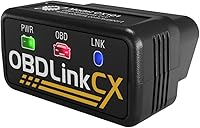
The Veepeak OBDCheck BLE suits drivers who prefer using a phone for standard diagnostics. It requires a compatible third-party app, with some apps or features requiring separate payment.
Choose the app first, then confirm support for your vehicle and intended functions. Some vehicle-specific apps provide extra module access, but the adapter isn't a full-system scanner.
Skip it if you want physical controls and a separate screen, or need dedicated service procedures. It doesn't support specialized functions such as ABS bleeding, injector coding, oil/service resets, or relearn procedures.
What can't an OBD2 scanner tell you?
A scanner can't detect every mechanical problem or always identify its cause. The computer only reports information available through its sensors and supported systems.
A noise, worn component, fluid leak, or loose connection may need a physical inspection even when no code appears. An empty code screen doesn't mean the whole vehicle is healthy.
A scanner also can't make unfamiliar repair work safe. Brake, steering, overheating, and major engine symptoms need appropriate inspection regardless of what the screen shows.
Do OBD2 scanners work on every car?
OBD2 scanners work with many compliant vehicles, but coverage varies by region, model year, and function. Many US-market cars and light trucks from 1996 onward support standard diagnostics.
Check your exact year, make, model, and engine before buying. For an imported vehicle, confirm its market of origin rather than relying only on its registration year.
EV and plug-in hybrid support also needs a separate check, especially with phone apps. The guide to whether OBD2 scanners work on all cars explains common limits.
If you want to command vehicle components, read what a bidirectional scan tool does. Reading sensor data and sending control commands are different jobs.
How should you connect, use, and store a scanner?
Follow the tool's connection instructions and save information before making changes. Park securely, apply the parking brake, and keep cables away from pedals.
- Find the diagnostic port using the vehicle manual.
- Check the plug and port for damage without forcing the connector.
- Follow the scanner's ignition and connection sequence.
- Read and save codes before choosing erase or reset.
- Disconnect and store the tool after use.
The Innova 5210 instructions call for ignition on with the engine off before connecting. For Veepeak on iOS, connect inside the compatible app using Bluetooth LE rather than pairing through phone settings.
Run the engine only when a procedure calls for it and ventilation is adequate. Don't watch a scanner or phone while driving; have another person handle any necessary recording.
Keep connectors clean and dry, and coil cables loosely without sharp bends. Store the Veepeak adapter in its carrying case and avoid leaving any tool where it can obstruct your legs.
See how to use an OBD2 scanner for a fuller walkthrough.
Which scanner should you choose for your next job?
Choose by the question you need answered: what an OBD2 scanner does for engine codes may be enough, while brake warnings or service tasks need confirmed extra coverage.
Pick the ANCEL AD310 for straightforward emissions-code checks without a phone. Choose the Innova 5210 when its supported maintenance and ABS functions match your car, or Veepeak when you prefer app-based readings.
Before ordering, name the exact job and verify support for it. Use the best OBD2 scanners for DIY car owners to compare options against that requirement.
Frequently asked questions
What does an OBD2 scanner do when the check engine light comes on?
An OBD2 scanner reads trouble codes stored by the car's computer and can show supporting information, such as live readings or freeze frame data. Those details help narrow the diagnosis, but a code alone doesn't identify the failed part or tell you which repair will solve the problem.
Can an OBD2 scanner clear a check engine light?
Many OBD2 scanners can clear engine codes and switch off the check engine light, but they don't repair the cause. Clearing codes can also remove useful fault information and reset emissions readiness monitors, so save the readings first and clear codes only after addressing the problem.
Does an OBD2 scanner read ABS and airbag codes?
Some scanners read ABS or SRS airbag codes, but basic readers usually focus on emissions-related engine information. Check coverage for your exact year, make, model, and required system before buying, because standard OBD2 compatibility doesn't guarantee access to the brake or airbag control modules.
Can an OBD2 scanner tell you exactly what to repair?
A scanner identifies a detected fault or condition, so it cannot always tell you exactly what needs repair. A sensor-related code can involve wiring, a connector, or another problem affecting the reading; use vehicle-specific repair information and further checks before buying replacement parts.